
Catching a Dinosaur
Salt Marsh Harvest Mice, Pickleweed, and more in Benicia

The San Francisco Bay isn’t a sprawling, untidy, fuzzy-edged body of water; it’s highly engineered. Over the centuries, humans have done a lot to it — shipping channels dredged, islands created, marshes filled in, salt collected in pools of unsettling colors, piers built, shorelines hardened, oil spilled, bridges built, waste dumped. The human-created filth of the Bay is startlingly visible —an acquaintance of mine did the famous swim from Alcatraz to San Francisco one year and emerged from the Bay waters covered in a thick layer of grime.
To me, all of this pollution makes the Bay an unappealing fishing spot, but there are a surprising number of folks who hang their poles off bridges and piers and little boats. A few weeks ago, we talked with some of these brave fishers (which I guess I will use as the gender-neutral term for fisherman?) at Benicia State Recreation Area.
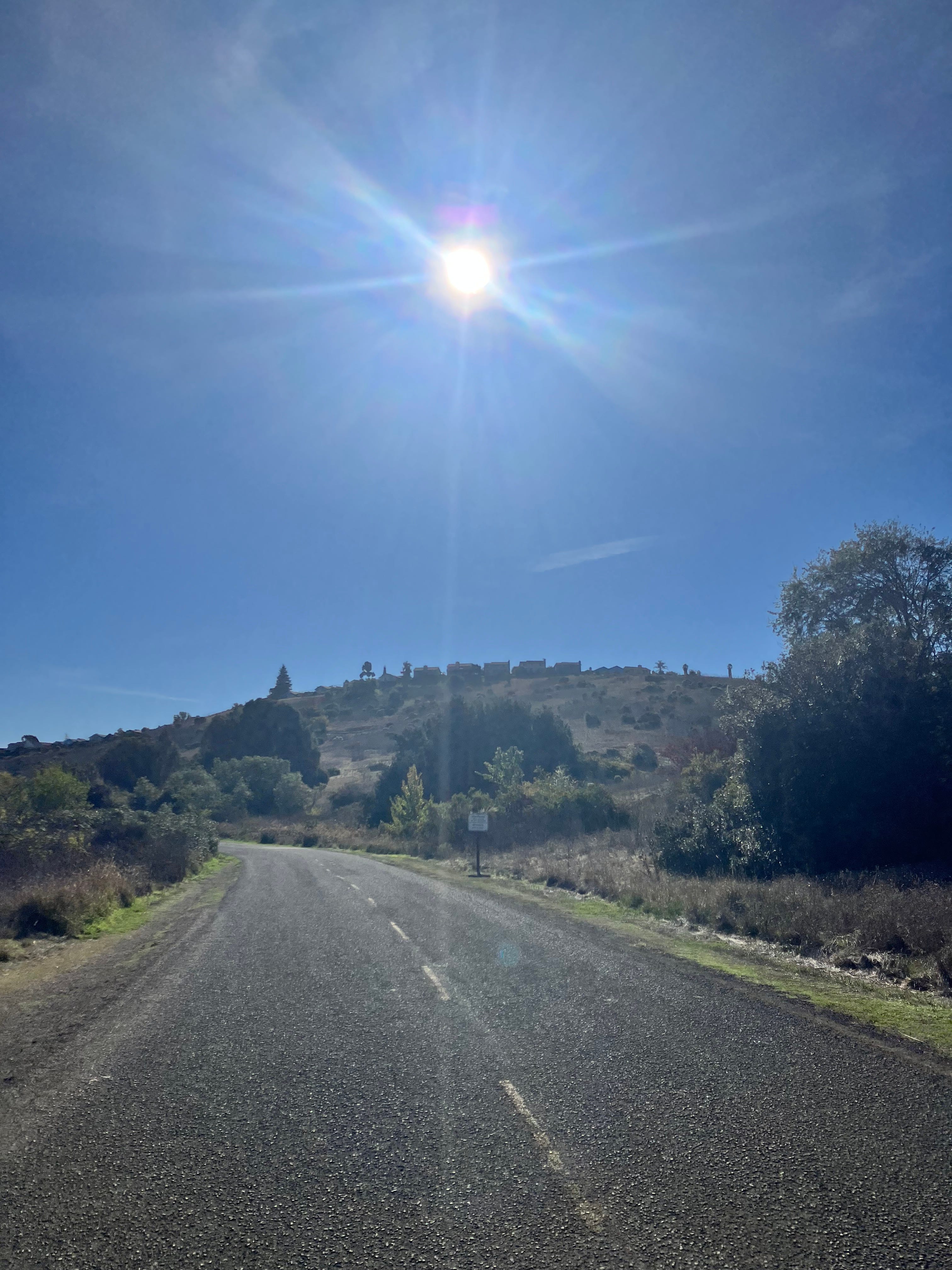
To get to the park, you drive east across the San Francisco Bay and then north, through Richmond and past the sprawling Chevron Oil Refinery, and then through the hills that turn a sad brown-gray in the winter as if a sepia-toned filter had been put over them, then across the Carquinez bridge and finally you take an easy to miss (which we did) exit right before the highway onto a modest little road, badly paved, that takes you to Benicia State Recreation Area.
The Park isn’t on San Francisco Bay but on one of the many bodies of water connected to it. The Sacramento and San Joaquin rivers empty into Suisun Bay which then flows through the Carquinez Strait (where Benicia sits) and into San Pablo Bay which flows into San Francisco Bay. 40% of the freshwater in California (that isn’t used for farming, drinking, etc.) flows into the San Francisco Bay, and the vast majority of that water flows through the Carquinez Strait.
It’s hard to get a sense of the enormous complexity of these bodies of water just by looking at a map, which is why one of my favorite places to take visitors is the Bay Model, a 1:1000 scale model of the water of the greater Bay Area. Built in the 1950s by the Army Corps of Engineers to test possible projects (which simply wasn’t possible with computers at the time), it’s now free and open to visitors who can watch a day’s worth of tides sweep across the giant warehouse-sized model in about 15 minutes. (While the Bay Model is incredible, it also helped facilitate the Army Corps’ trail of destruction, including dredging, marshland infill, and water diversion which makes any visit a bit more somber when you think of how the model was used).
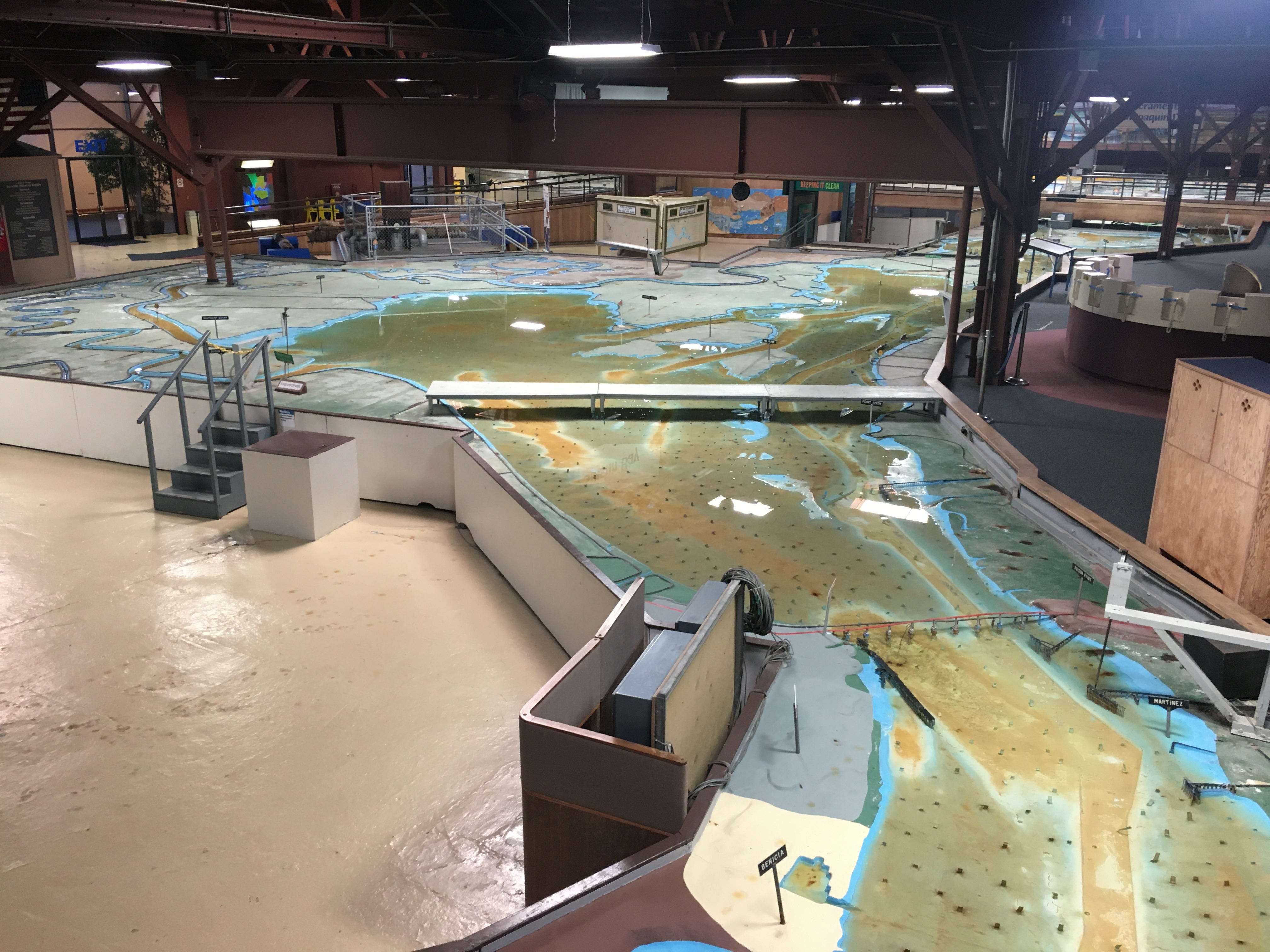
All of that fresh water flowing into the Carquinez Strait and mixing with the increasingly brackish water of the San Pablo and San Francisco Bays create a unique ecosystem — a perfect example of the liminal landscapes I love so much.
We parked and began walking up the road, acres of marshland spread out to our left. It looked almost dead, but the long-legged herons and circling hawks and scampering sounds of little creatures made clear the marsh was very alive. More than 80% of the marshland around the Bay(s) has been destroyed — especially bad news as climate chaos leads to sea level rise and marshes aren’t there to absorb the impact — so it was nice to see this pocket of marshland in such an industrial area. The whole park is a wonderful little oasis in the midst of oil refineries and ranches and ports and manufacturing.


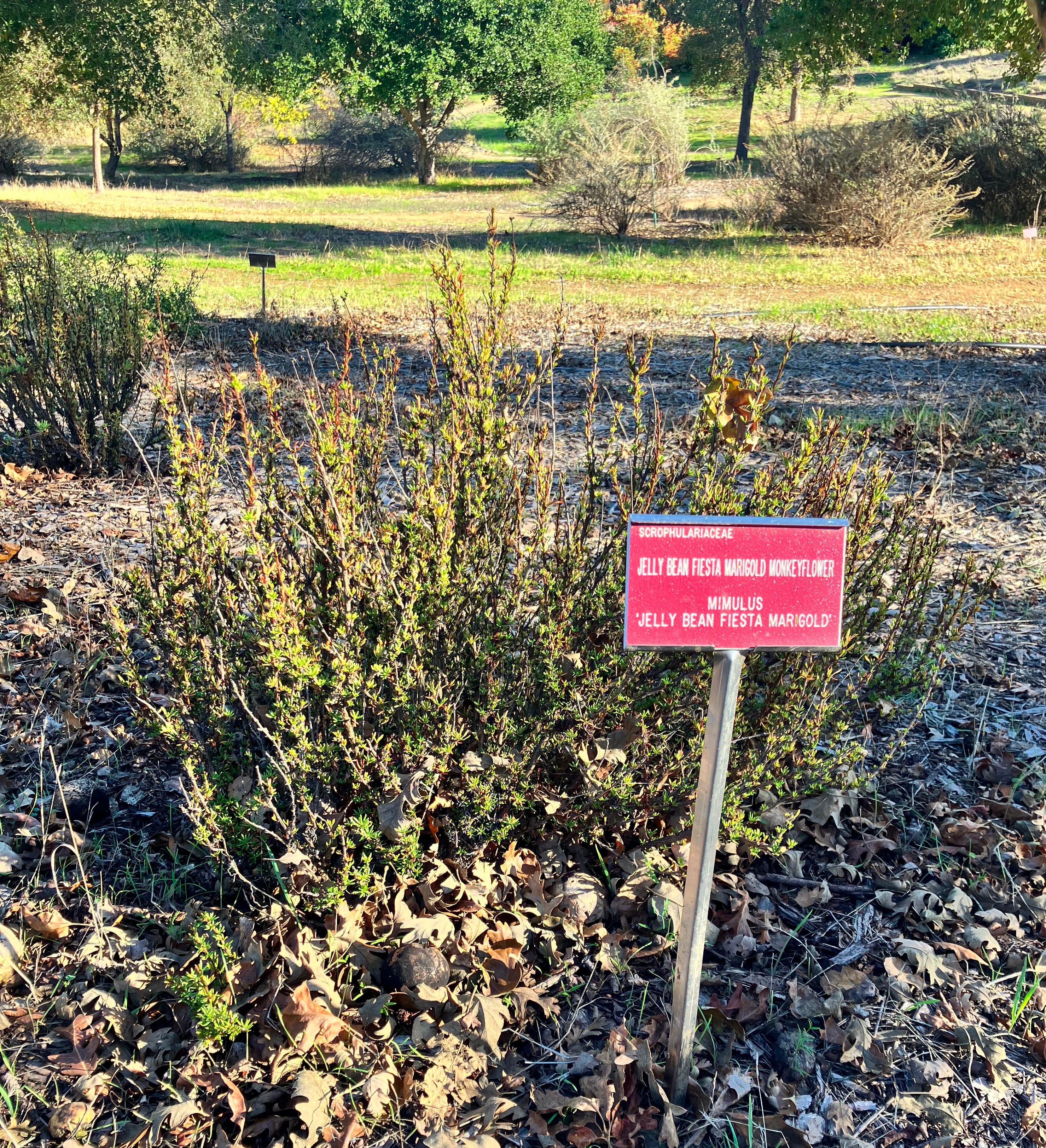
We continued down the road, eventually taking a little diversion into the Forrest Deaner Native Plant Botanic Garden, a charming, volunteer-run operation that must look wonderful in the spring but was rather subdued in the winter cold. The plants were labeled and I had the great delight of learning about the Jelly Bean Fiesta Marigold Monkeyflower, a plant that seems to have been named by an overly-enthusiastic five year old. In fact, it’s a hybrid plant created by horticulturalist Richard Persoff with striking flowers that I’ll have to come back to see.
After crossing next to a parking lot and some delightful broccoli trees, we went down a path and towards the water.


One of the main reasons we’d picked this park was a cute picture in a brochure of the rare Salt Marsh Harvest Mouse eating Pickleweed. Unfortunately, we did not see the mouse, but we did lots of Pickleweed floating in the water. It is a plant that, shockingly, looks like pickles. It’s also known as turtleweed, glasswort, saltwort, Virginia pickleweed, sampfire, and sea asparagus (the name Andy knew it as from scuba diving). According to the Suison Resource Conservation District, it is extremely salt-tolerant, growing where few other plants can, and is critical to the survival of the Salt Marsh Harvest Mouse which I suppose is why they were pictured together.
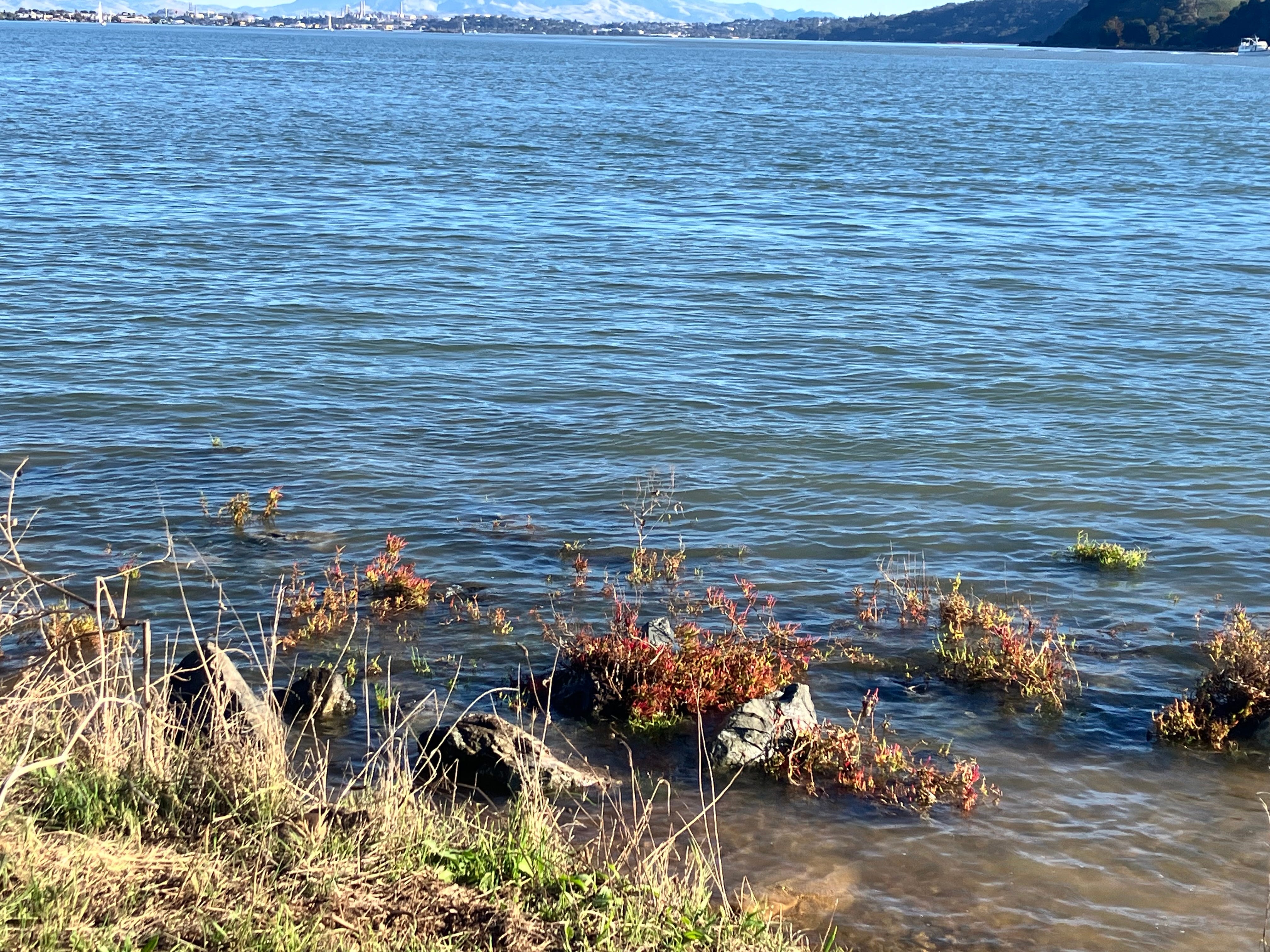
We continued to the right, along the shore, and found a picnic table with a great view of the bridges and the giant pylons that cross the strait. The sun was bright, reflecting off the gentle waves.
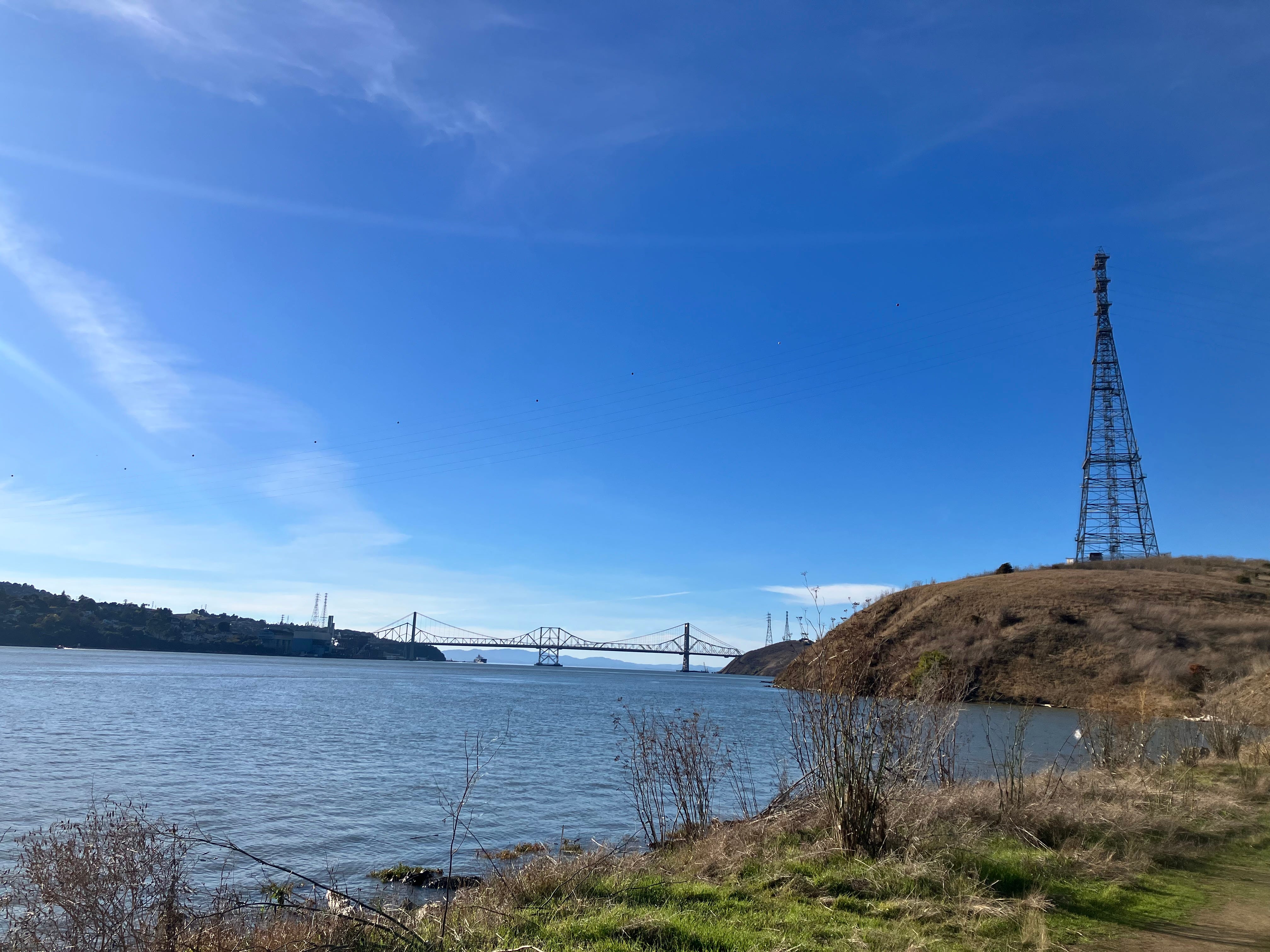
We retraced our steps and decided to see how far we could continue along the shoreline. That’s when we started to see all of the folks fishing — dads with little kids in waders, groups of teenagers, old men. “What are you fishing for?” I asked a teenage girl who stood near the path, rod in hand. “Oh I’m not really fishing it’s my brother” she said, pointing to a kid with curly hair and glasses. “We’re fishing for stripers and maybe even a salmon,” he said. “We’re from Winters [a town towards Sacramento] so we usually fish in rivers. I’ve never fished in the Bay before. I wanna get something big — a real dinosaur you know?”
We wished him luck and continued down the path, chatting next with three friends who had a whole setup for their day of fishing with chairs and drinks and coolers. I’m not usually too outgoing on my walks, but something about these people fishing made me chatty. And folks were eager to talk, much friendlier than I expected. Most people were fishing for striper, a type of bass fish that lays up to one million eggs so I suppose there are a lot of them, although of all the folks we talked to, only one person had actually caught anything. Nobody seemed especially disappointed by the lack of action, though. After a few more fishing conversations, we made our way back to the car and home.
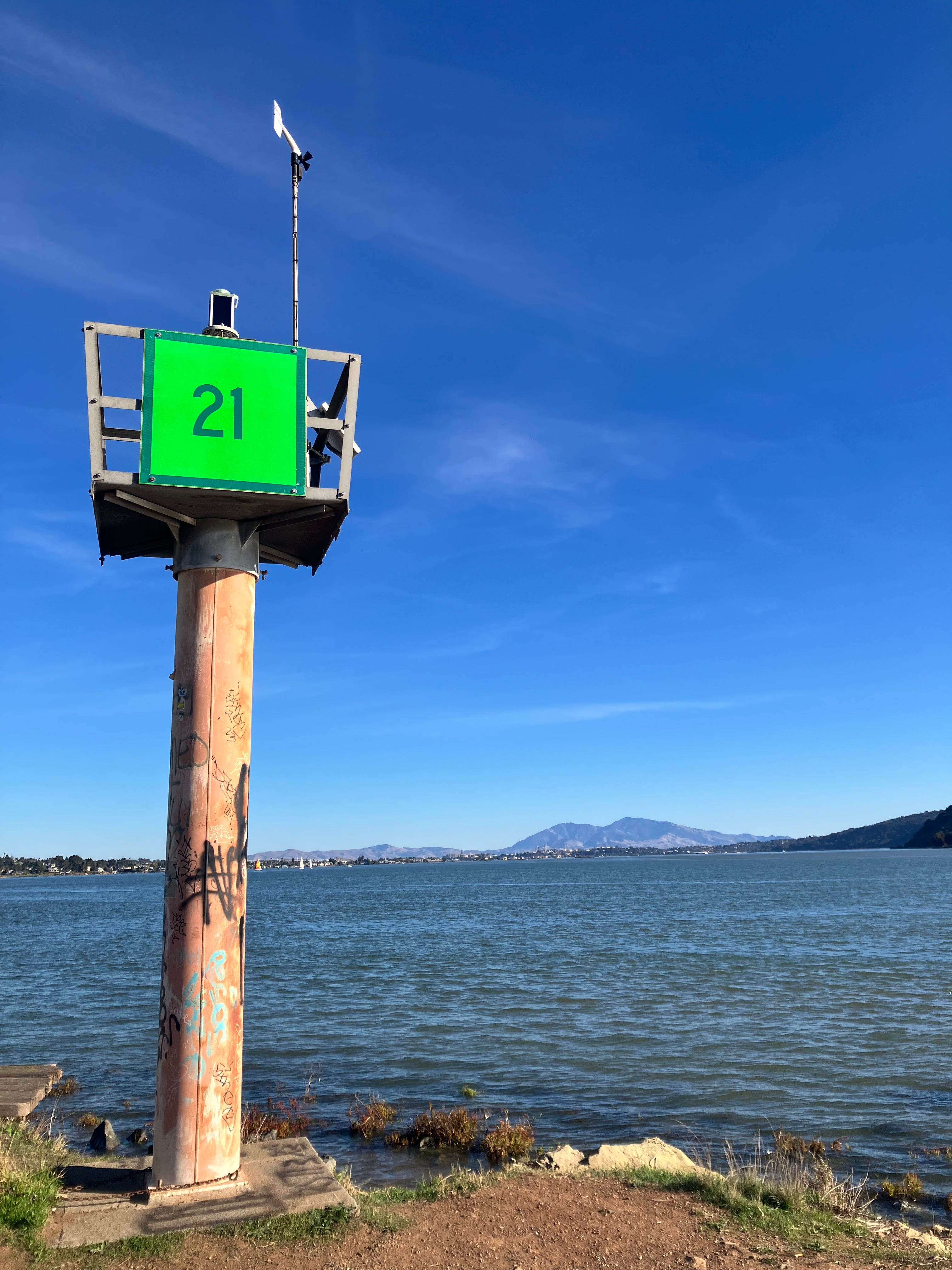
Benicia State Recreation Area was not the most majestic or scenic state park that we’ve been to — no dramatic clifftops or stunning landscapes or historically significant buildings. But it had some of the best vibes of any state park we’ve visited and also had the most diverse (in terms of both class and race) array of visitors of any park that we’ve visited so far. This little jewel might not be a destination park like the Sonoma Coast or the Mendocino Headlands, but it’s clearly loved by people in the area — a place to walk their dog, take their kid on a safe road to bike, do a little fishing, and, if they’re lucky, see a Salt Marsh Harvest Mouse in the Pickleweed.
I always learn something new from you Ona. ☺️
The salt marsh model looked incredible. Very cool.