
Country Roads Take Me Home

I grew up in a city with sidewalks; walking on the road seemed utterly unimaginable. The one night a year where my street was blocked off for our annual block party had an illicit thrill — I could bike ride and eat pasta salad in the middle of the street(!!!). With this one exception, the street was scary; I didn’t go in it.
But I’ve had to get used to road walking during this trip, especially in the rural parts of the UK that we’ve visited. For many of the walks I’ve done, there hasn’t been an alternative (especially in Wales and England, which don’t have the right to roam) and I’ve had to walk on the road for all or part of the walk.
Every road has its plusses and minuses. The least dangerous and most pleasant roads are farm tracks - they’re rarely used, have ample space on the sides, and most of the vehicles that drive on them are big slow tractors or other farm equipment. Plus there’s a good chance of seeing cute animals.
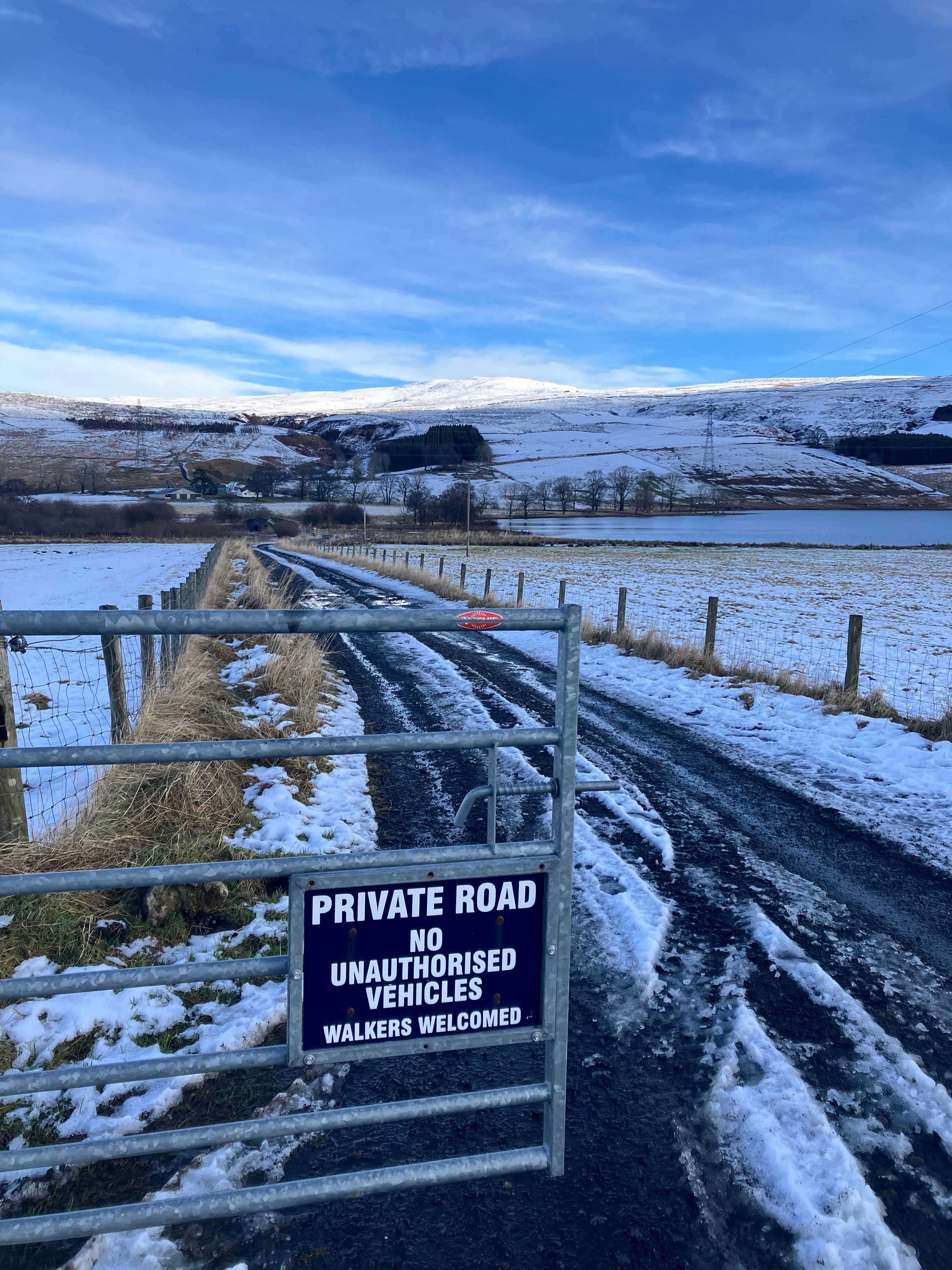
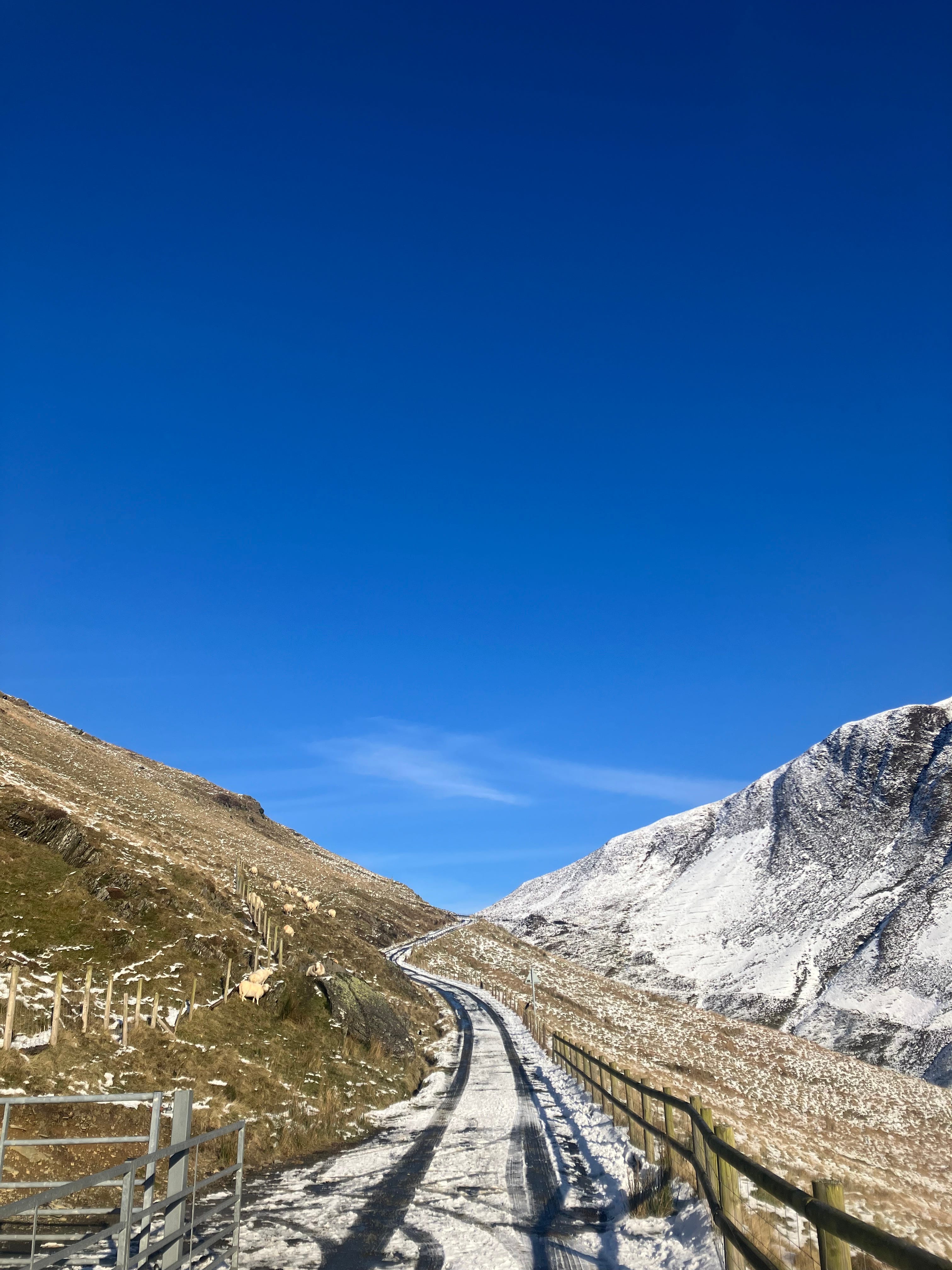
One-lane roads also tend to be safer, partly because they’re in remote areas and generally have less traffic, but mostly because cars drive more slowly and pay attention. Driving on a one-lane road means being constantly alert to what’s ahead so that you don’t have a head-on collision; this type of driving has the added benefit of being safer for walkers.
The scariest rural roads to walk on are two-lane roads, especially if they’re bordered by hedges or walls. More than once I thought I’d have to dive into a hedge in order to avoid being hit. The exception to this was the Lake District; there are walkers and dogs everywhere, so the drivers are pretty mindful of folks on the road and give a wide berth.
But now after months of walking in the UK, I’ve come to think that the most dangerous roads are the ones I cross while walking in cities. Partly this comes down to statistics; there are simply more cars, which means more opportunity for trouble. But the design of cities also impacts pedestrian safety in a few big ways.
First, the extensive use of roundabouts, which traffic engineers love, are actually terrible and dangerous for walkers and bikers; drivers are concentrating on exiting or entering the traffic circle, not looking for pedestrians, and the crossings are in odd and inconvenient places.
Second, cars are only required to grant pedestrians a limited right of way, which is actually an improvement to the highway code that only happened two years ago. Unfortunately, I’ve found from experience that the change in law has not really sunk in yet for drivers. They don’t slow down when you’re crossing the road.
Finally, all of the cities I’ve visited in the UK seem to have uniquely terrible pedestrian crossing signals. It’s unbelievable how long you have to wait for a walk sign. This results in an astronomical amount of jaywalking and general confusion.
And so ironically, while I felt as though I needed a car to get places in rural areas and small towns, I also felt much safer as a walker in those areas. But even rural roads aren’t completely safe - an average of two people are killed and 34 seriously injured on rural roads every week. There’s a fundamental and systemic problem; we’ve designed our world for cars, not people.
There are several groups in the UK trying to change that, including Slow Ways, which has the goal of making it possible to walk to any address in the country. This might seem like an audacious goal, but it’s actually quite sensible. Dealing with the climate catastrophe will require getting a lot of cars off the road (and no, electric cars aren’t the answer), which means we have to start creating safe and viable routes for walking and wheeling now. Plus the health and economic benefits of walking are plentiful. Imagine what life would be like if “car” wasn’t the default?
I realize the hypocrisy of railing against cars as Andy drove me around to various walks. But driving was often the only viable way to get anywhere, which was frustrating. I know its possible to make walking safe and doable anywhere - even in the most remote areas. We walked 460 km across Spain a few months ago on safe, car-free paths. (In a couple of days, we’ll go back and finish the final 300 km of the Camino de Santiago). Maybe not everywhere can have the infrastructure of a centuries-old pilgrimage. But I do think everyone should have the ability to walk those country roads safely home.
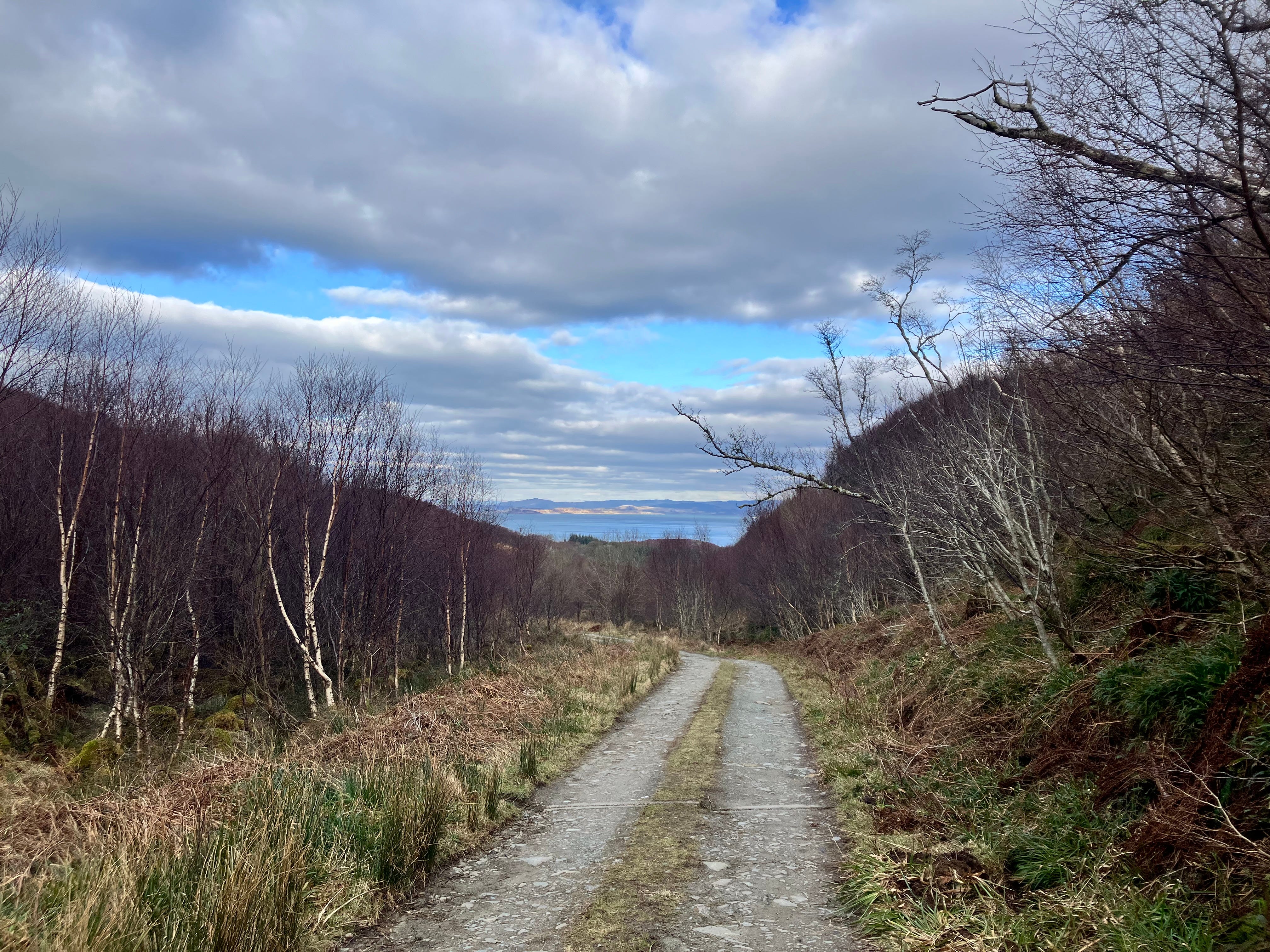
To the place I belong
West Virginia, mountain mama
Take me home, country roads
love the journey you've mapped out.
Beautiful! Thanks! Wish I were back there!!!