
The Peaceful Revolution

Leipzig is a beautiful old city, it’s central district full of winding streets and pretty old buildings, interspersed with blocky, post-war construction. I’d headed down there for the day to see the Museum of the Round Corner, a museum about the Stasi, the GDR (East German) secret police.
I’d already been to a different Stasi museum in Berlin. It was a bit of a trek to get there, and upon exiting the S-Bahn station, it became clear that we were deep in East Berlin. We walked down a wide boulevard, lined with prefab, concrete apartment blocks. It looked utilitarian and sterile and there weren’t many people around.
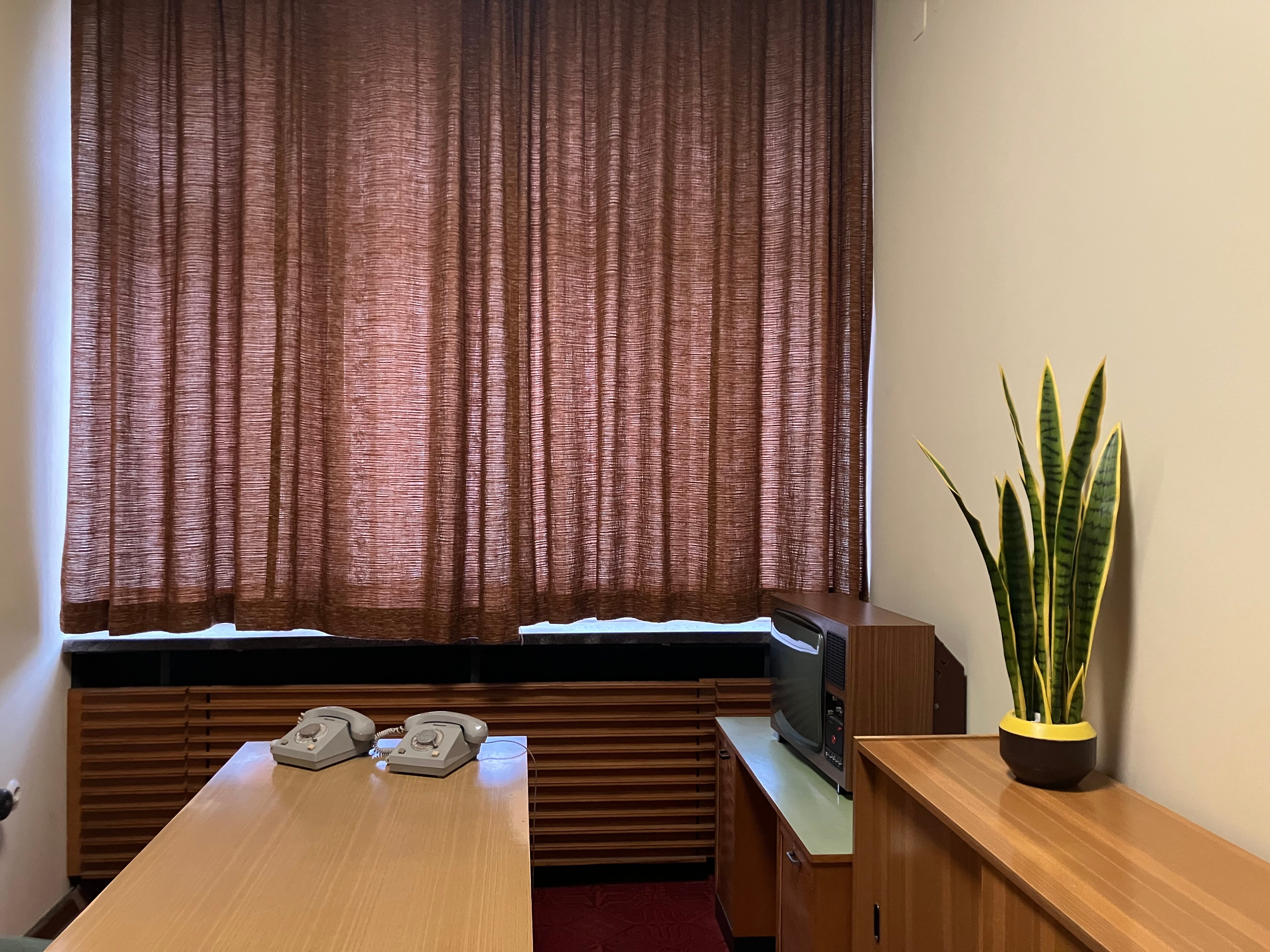
The museum in Berlin was in the Stasi’s old headquarters - an enormous and imposing complex of buildings. The first floors of exhibits were in very white, bright rooms, a marked contrast to the topmost floor, which had been left in tact from 1989 and was full of mustard yellow and sad brown. Walking through the rooms was like entering a time machine - it even smelled different.
I’d read that Leipzig’s Stasi museum was run by a Citizens Committee of people from that area who’d been the targets of the Stasi. It seemed grassroots - a little punk rock - and so early Monday morning I boarded a train to go see it.
While the Stasi museum in Berlin was clearly for tourists - all of the exhibits were bilingual in Germany and English and the museum gift shop had books in half a dozen languages - the museum in Leipzig was very clearly for Germans. Everything was written in German — nothing was in English. The translation app on my phone did a lot of heavy lifting, but I was grateful for their one concession to non-German-speakers — an audio guide in English.
The place had a bit of a DIY feel to it, with headings written on cardboard and seemingly original photos glued to the displays. It was thorough, with hundreds of artifacts documenting the Stasi’s extensive system of surveillance and oppression —machines to steam open mail, wire tapping equipment, hidden cameras, wigs and other disguises used by agents, falsified documents designed to sow discord, a prison cell, border guard equipment. The sheer logistics of surveilling the East Germans (and many West Germans as well) was mind boggling. The museum was clear, direct, and indignant about the impact of the Stasi on ordinary Germans.


Yet as much as the Stasi knew about everyone’s most intimate details, the East German government was somehow unable to predict its own collapse (more on that collapse later). As the GDR began to crumble, the Stasi moved into self-protection mode and started destroying documents. When the East German people heard about this, they started taking over Stasi buildings. That’s how the Museum of the Round Corner got started — ordinary folks took over and occupied Leipzig’s Stasi building in order to stop the destruction of evidence.
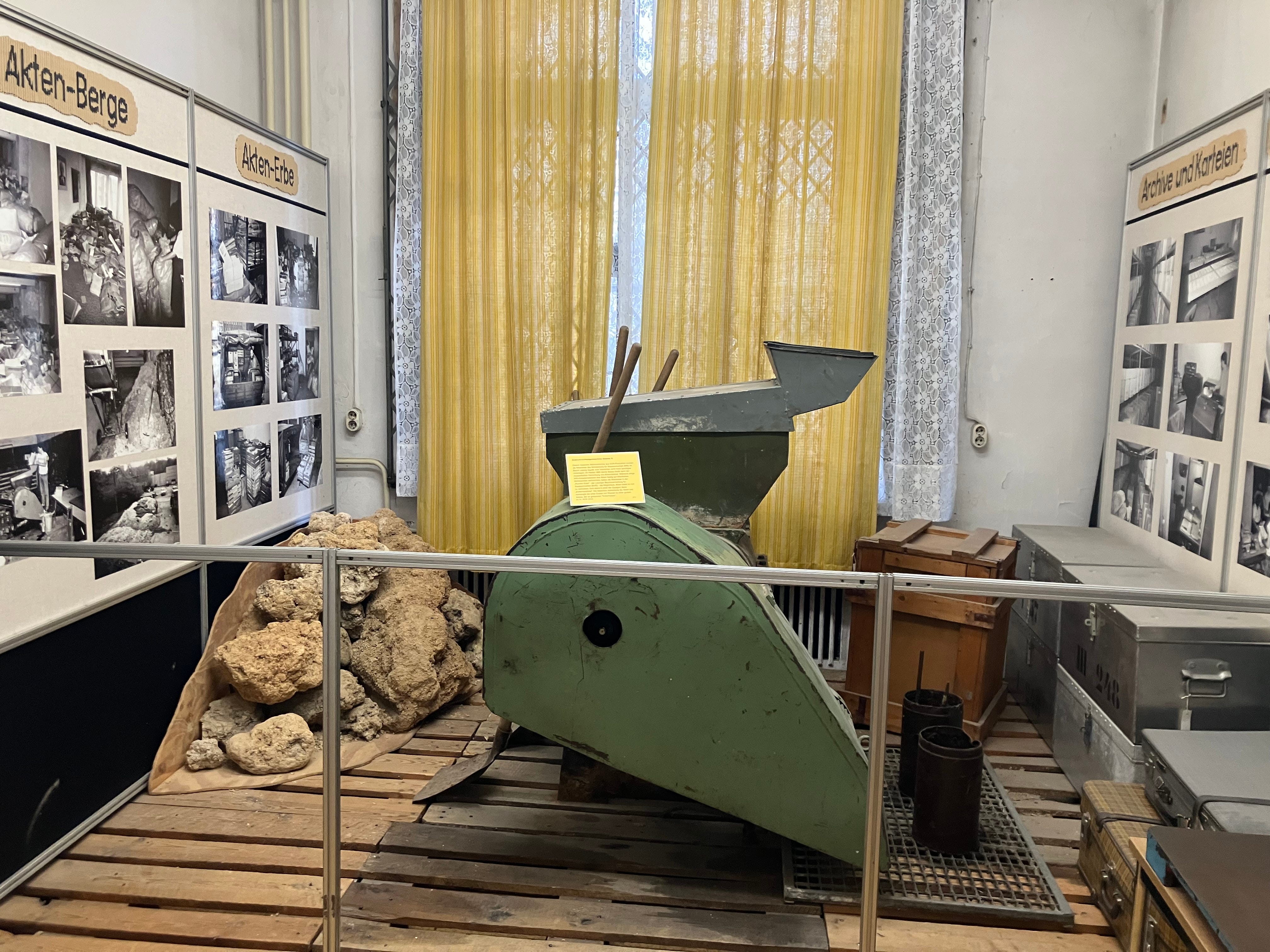
East Germans bravely put their bodies on the line to protect the Stasi files, but access to them was a hot topic during German reunification. After a lot of organizing, Germans won the right to see their own Stasi file; they can do so today in the Stasi archives which share the building with the museum. Those files hold the key to many mysteries in peoples’ lives - why they didn’t get into university, how their father really died, which of their friends betrayed them, why they were arrested. These files couldn’t be just buried and forgotten.
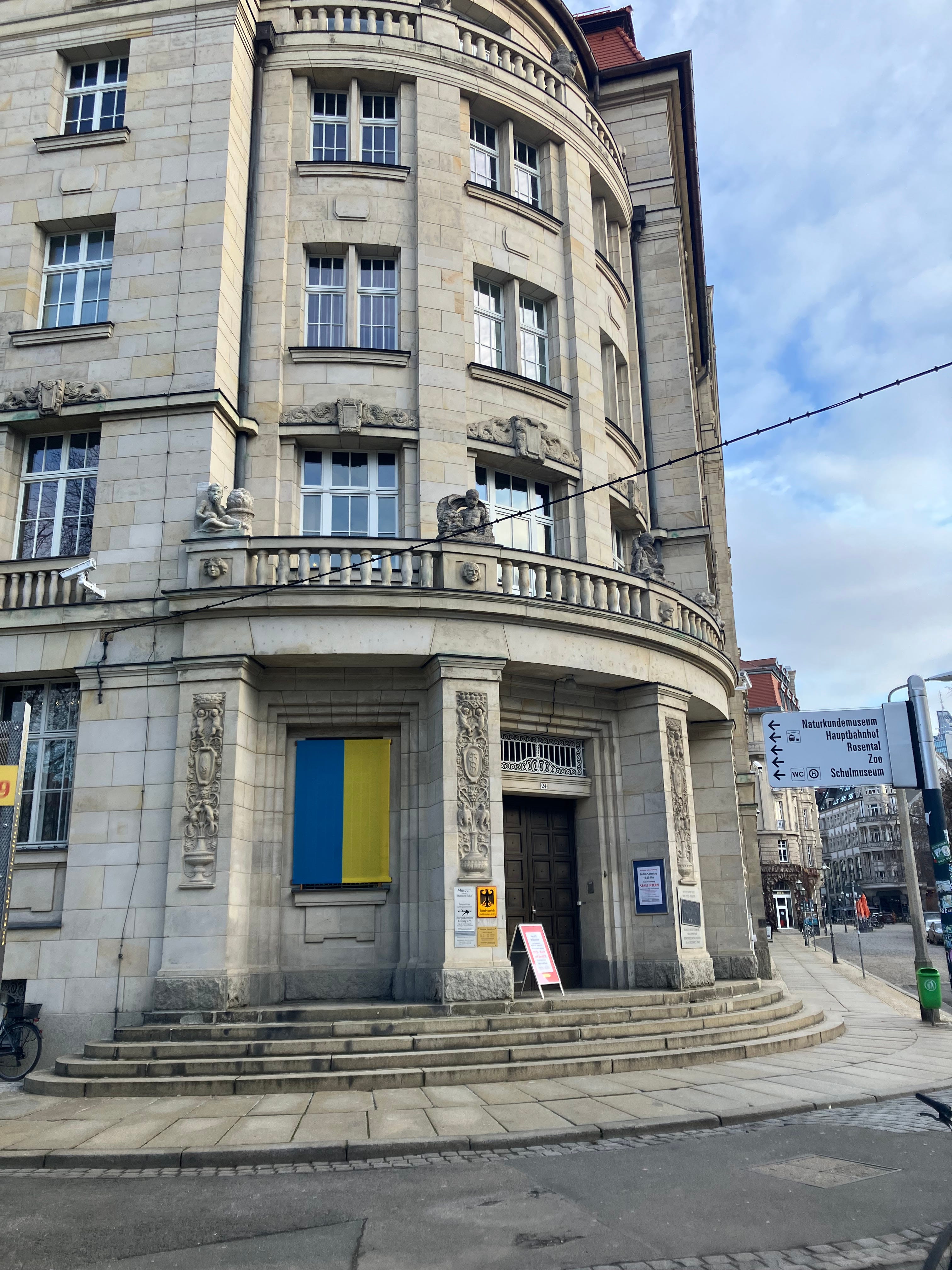
I left the Museum of the Round Corner to continue on a historical walk around Leipzig that the museum had created about the Peaceful Revolution (the name Germans have for the fall of the GDR). I always thought of Berlin as the center of that revolution because of the fall of the Wall, but Leipzig is really where everything started.
The church was the only free place in East Germany - it was not controlled by the State. There was an understanding between the church and state - you don’t mess with us and we won’t mess with you (though there were still plenty of Stasi informants within the church). So the church became the space where civil society began to blossom. Environmental activists started to use the church to meet and print reports and newsletters (the church was the only non-governmental entity allowed to have printing equipment). These activists were especially engaged in Leipzig, which was an incredibly polluted town; air and water quality all over the GDR was terrible due to outdated manufacturing techniques and the country’s reliance on dirty brown coal for energy.
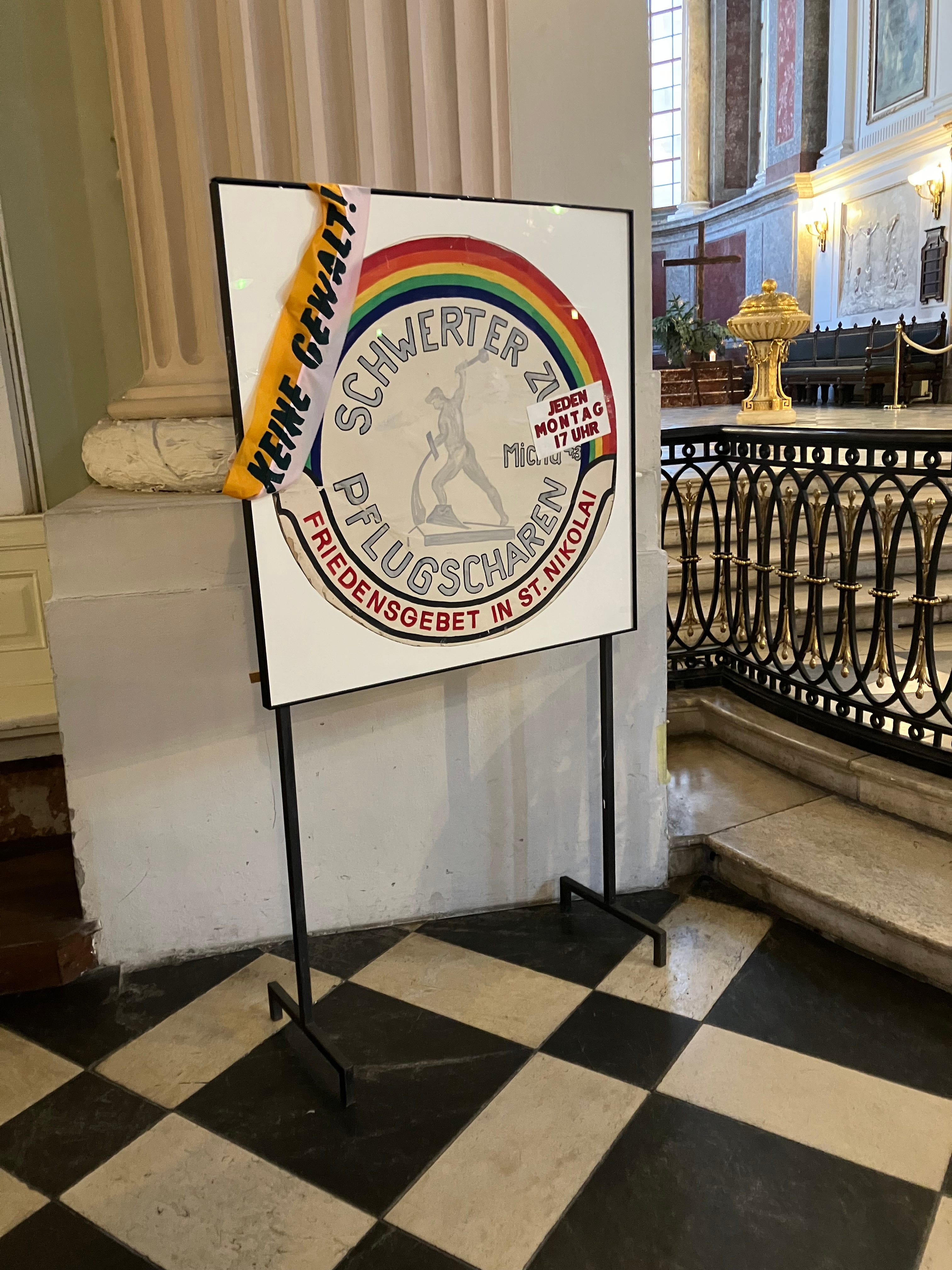
Peace groups, increasingly concerned about the proliferation of nuclear weapons and the militarization of East Germany’s school curriculum, began meeting at churches too for weekly “prayers for peace.” These weekly prayers, which started as a way to pray and discuss important issues of the day, morphed into something much more.
The Peaceful Revolution walk is a series of pillars with information and pictures on them peppered throughout central Leipzig. The pillars themselves are made out of old GDR border fortifications, for some added symbolism.
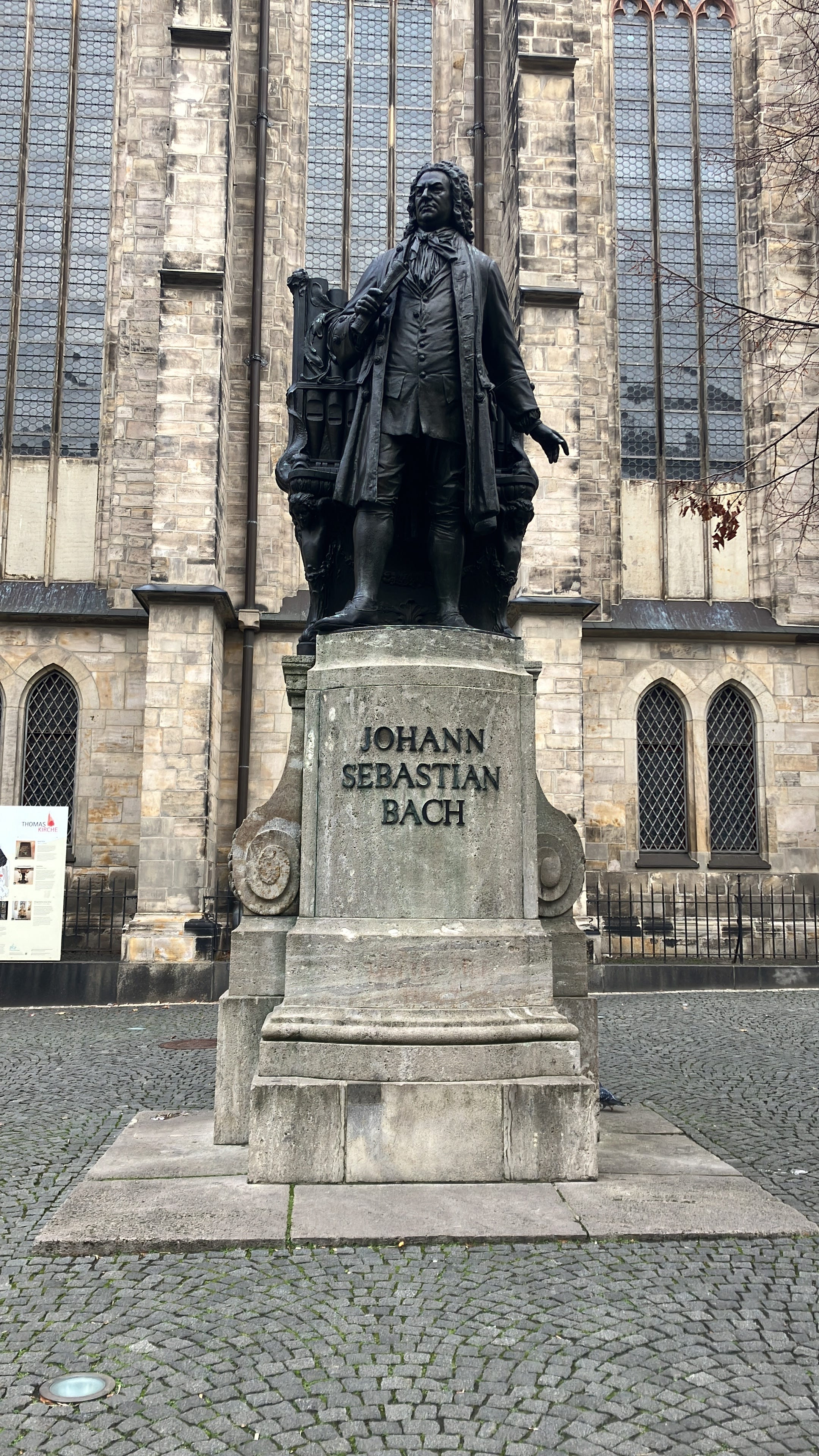
I only had a paper map and the pillars were a bit hard to find. Elections are coming up in Germany, so there are a lot of big campaign signs all over the streets. Leipzig is an old city with a famous university and a lot of history, so there are plaques and statues everywhere. It’s the home of Bach and Mendelssohn so there’s a Bach walk full of classical music history as well. In other words, there was a lot of things to look at in the streets, and finding the little steel pillars turned out to be a real treasure hunt.
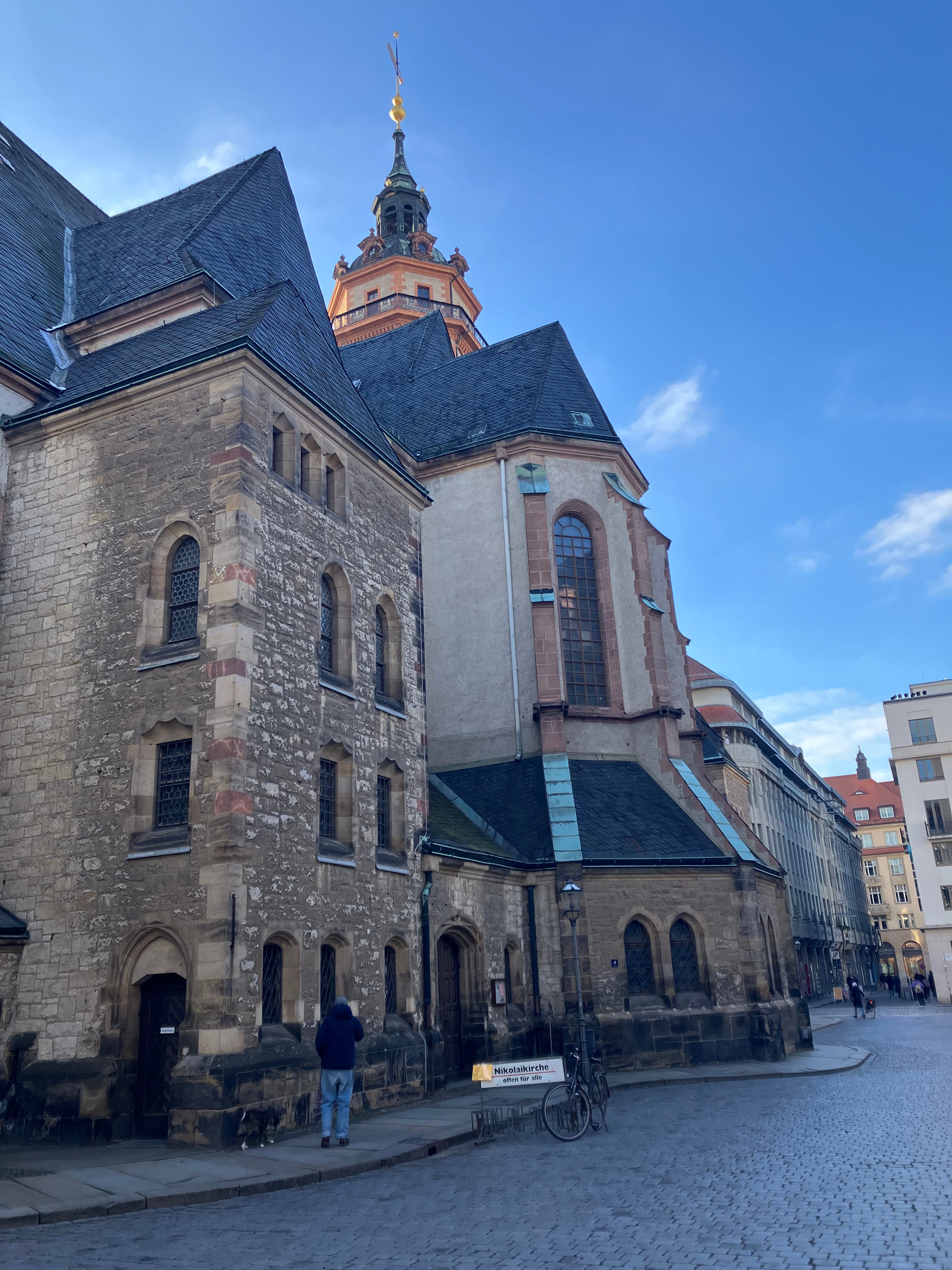
Despite the difficulty I had following it, the walk gave me a sense of the evolution of the Peaceful Revolution. Prayers for Peace at the beautiful St. Nicholas Church which turned into demonstrations and marches and then repression and crackdown and then even larger marches. While at first some people joined the demonstrations and got involved in organizing because it was a quick way to get deported to West Germany, eventually the chants changed from “we want out” to “we’re going nowhere.” One of the pastors of St. Nicholas put it well — “who is there to bring about change in this country other than we who hail from here?”
On the 9th of October, 1989, 70,000 people in Leipzig gathered for the Prayers for Peace and there was no turning back. The Berlin Wall fell a month later.
I’ve spent a lot of time during this trip on a kind of side quest, learning about 20th century dictatorships in the places I’ve visited - Franco in Spain, Salazar in Portugal, the GDR in Germany. What fascinates me about these places is not how authoritarians took over, but how they were defeated.
A theme I’ve noticed is that many people who lived under authoritarian states believed it would always be that way. I know that from first-hand experience, having studied abroad in Cairo when Mubarak was still in power. I never could’ve imagined as I walked to classes across Tahrir Square that four years later it would be filled with protestors and Mubarak would be gone. (The tragic aftermath of this revolution demonstrates just how delicate and fraught these moments can be).
But there were also always a group of people who believed things could change — maybe not during their lifetime, but eventually. They believed that nothing was inevitable, so they organized and protested and defied the regimes they lived under in ways big and small. And they persisted in holding space for this organizing, even when participation in it was minuscule. As one East German pastor said “this kind of thing has to be faithfully preserved so that when crises occur, there is a place where people know they can go.” A weekly meeting of a few people can morph into a popular uprising and the toppling of an authoritarian regime. Right now, it seems especially important to remember that our future is not written - it is what we make.
This entry comes at a particularly fitting time, as we in the U.S. gird for another four years of chaos, incursions into our civil liberties, “alternative facts” and kleptocracy. Reading about Die Wende shows a way to push back.
Perfect close to your piece re the Peaceful Revolution in GDR. Once again, I learn so much from your engaging writing and photos!