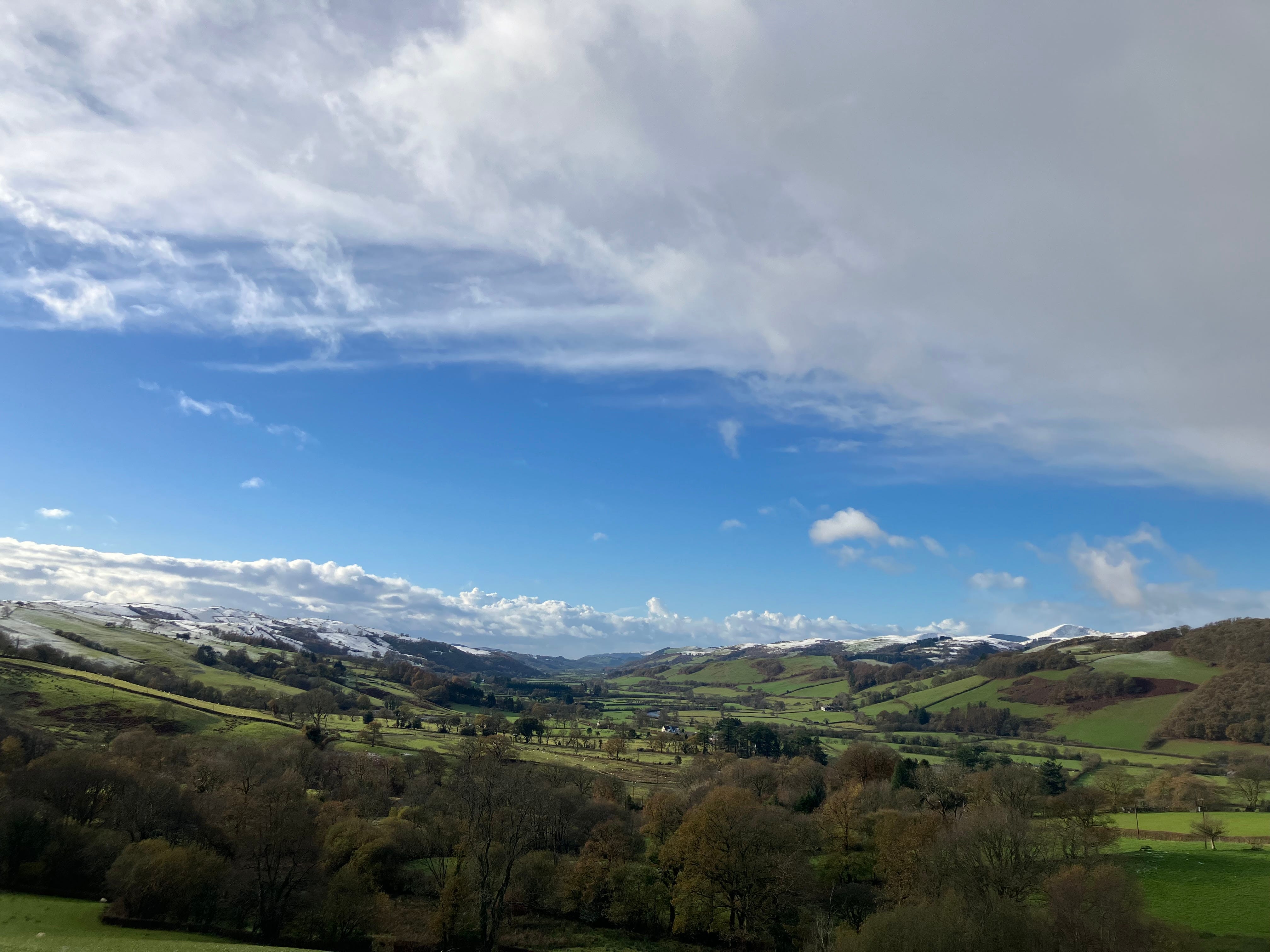
The Sound of Silence

Walking in San Francisco can be noisy. Muni busses calling out stops. Music blasting from garages. Construction. It’s a cacophony that I love, but sometimes it’s nice to get away - to retreat to somewhere a bit quieter.
Taking a break from urban and industrial noise was one of the primary aims of groups fighting for access to the countryside in the UK a century ago. The lives of working people in factories and foundries were incredibly noisy, not to mention all of the other sounds from living in a crowded urban environment. While the science on noise pollution wasn’t as developed then - we now know that noise has significant negative health impacts - the instinct to seek out peace and quiet made sense. Why should only the rich have access to lower-decibel environments?
Of course rural areas are not silent — and when they are, it means something is terribly wrong. Rachel Carson didn’t title her book Silent Spring for nothing. But the sounds of rural areas do tend to be more quiet. Sheep don’t have microphones. Birds don’t have motors.
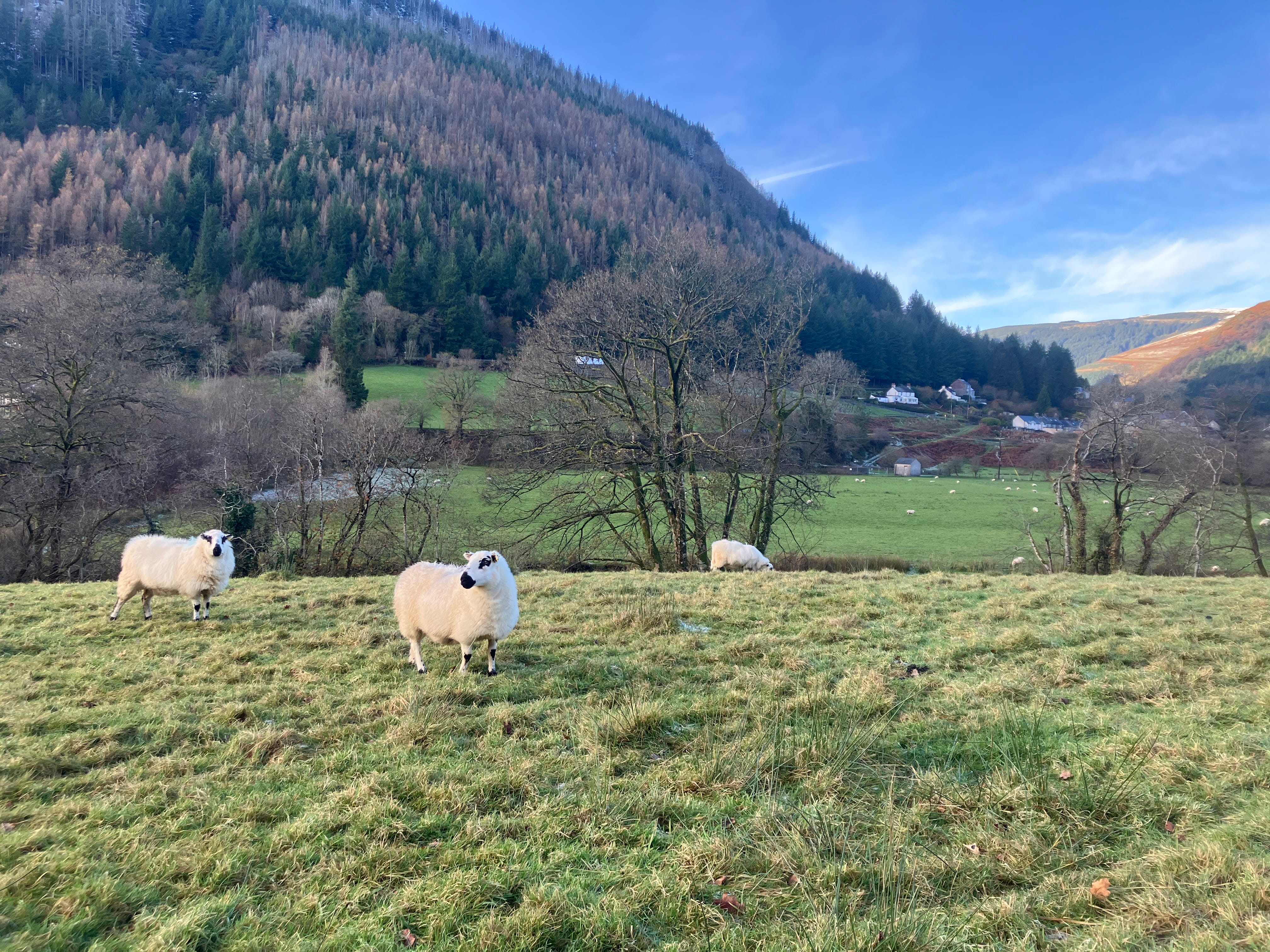
And so I stepped outside a few days ago looking forward to hearing some country sounds. A light snow had fallen overnight, so I delighted in the crunchy sound of the frosty grass under my boots and the sheep bleating at me from across the field and the brook babbling away next to the fence.
Then came the sound. It was almost deafening. Low-flying military aircraft screaming through the hills. It was startling — and impossible to hear anything else.
It turns out that we’re staying in the “Mach Loop” of Wales, a part of the country world-famous for people to watch the low-flying training exercises conducted by the British and allied air forces. Fighter jets wind their way through the valley at 500 miles an hour, sometimes going as low as 100 feet off the ground.
It was surreal to be standing on a beautiful hill in a lovely valley dotted with sheep and snow and see a machine of war screaming by.