
Walking in a Winter Wonderland
Plus — favorite books of the year!

I was back in my hometown of Minneapolis earlier this week, where the skies were an uncharacteristic steady grey. Another manifestation of climate chaos — warmer weather and more moisture in the air created a big grey blanket over the city.
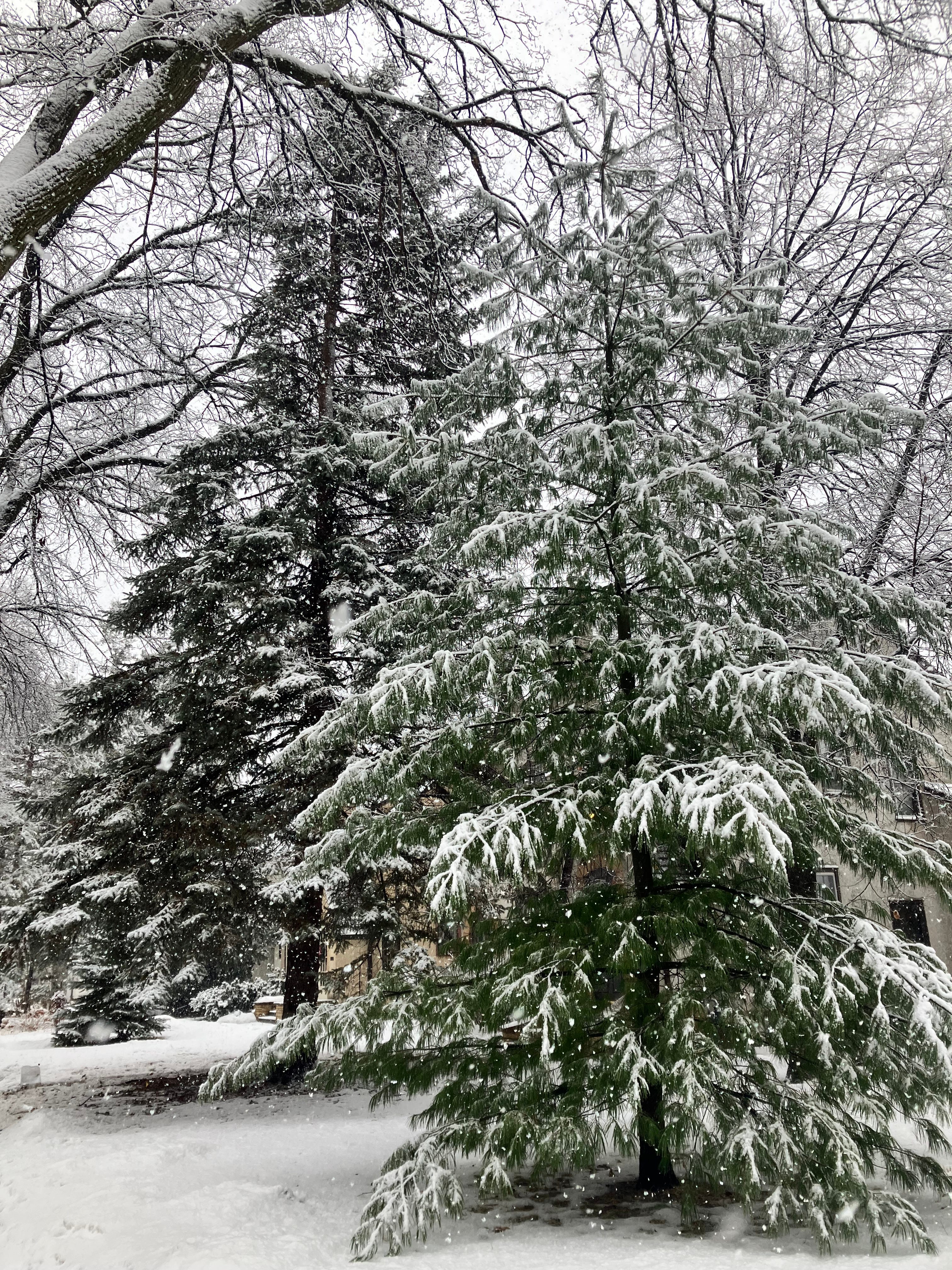
On my penultimate day in Minneapolis, it snowed. The temperature was just below freezing, so the snowflakes were big and fat and heavy with moisture. There’s nothing more magical to walk through - everything quiet, the whole world muffled under a blanket of snow. All of the trees and plants that had previously looked so sad and dead were now covered in white, transformed into magnificent sculptures.
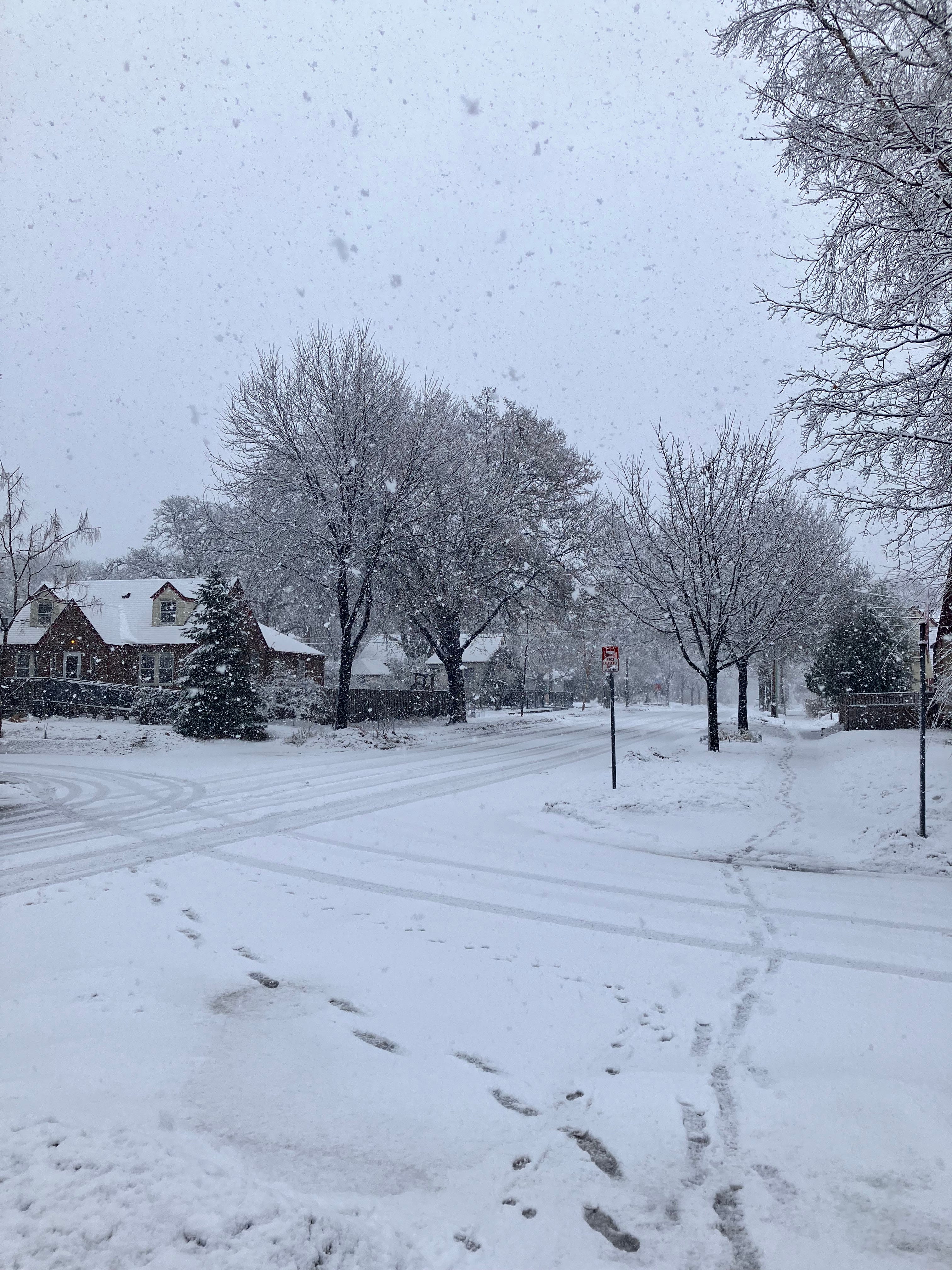
The day after the snow was the Minneapolis of my childhood. Booger-freezing cold. A temperature of 11ºF with a windchill of -3ºF. My dad had a lot of geography books that I liked looking through as a kid, and I remember learning that Minneapolis had lower average temperatures in the winter than Juneau, Alaska. I took a weird pride in that - we’re colder than Alaska! And while one of the reasons I’ve stayed in California is the lack of bone-chilling winters, it was nice for one day to take a short walk in the bracing cold, the sun shining gloriously overhead, making the snow glitter.


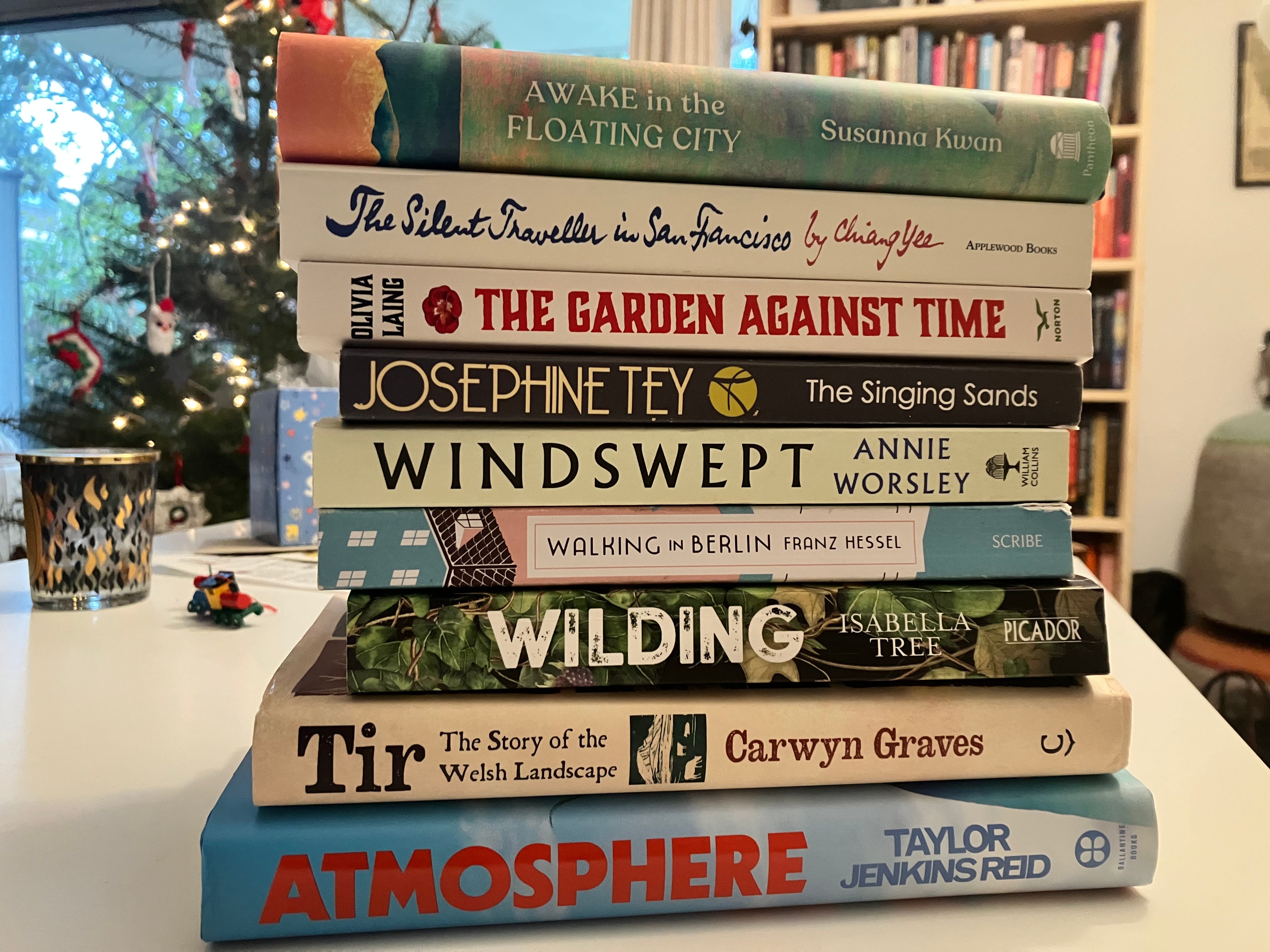
And now my traditional (it starts becoming a tradition the second time you do it, right?) end of year book round-up . Here are some of the best things I’ve read this year:
Tir: the Story of the Welsh Landscape. An exploration of the connections between the Welsh language and the land and how those connections and traditional Welsh farming techniques can help create a more sustainable future.
Windswept: Life, Nature and Deep Time in the Scottish Highlands. A meditation on living on a small Scottish croft, rural community, and the healing power of nature.
Wilding: The Return of Nature to a British Farm. The fascinating account of a couple that turns their English farm over to nature. Inspiring to learn how quickly nature can heal itself once humans change how they interact with the land — the farmers saw a rapid increase in biodiversity and soil health and were better able to deal with the impacts of climate change.
The Singing Sands, To Love and Be Wise, and The Daughter of Time. This year I finished reading the mystery novels of Josephine Tey, the pen name for the queer Scottish writer Elizabeth Mackintosh. Her books were written during the 1930s-50s and are slow moving but suspenseful, many with gorgeous descriptions of the Scottish countryside. I also had fun reading a series by modern-day author Nicola Upson which feature a fictional version of Josephine Tey solving mysteries.
Walking in Berlin. There’s nothing I love more than reading a book about walking a city while I’m walking in that city, so it was a real treat to read this book, written in 1929, while walking around Berlin. But you don’t have to be in Berlin to enjoy the wonderful descriptions of the city during a fascinating and increasingly dangerous time in its history.
Perilous Bounty. After reading more than a dozen books about agriculture and rewilding in the UK, I thought I should turn my attention to my home country. This book is a great primer on the peril and promise of farming in America.
Through the Arc of the Rainforest. Shoutout to Matt from my bookclub who chose this book for us — one of my favorite books of the year. A totally delightful tale of a Japanese man in Brazil who has a spinning ball in front of his head. It sounds like an absurd premise for a book, but the author’s blend of magical-realism, humor, and tenderness is utterly charming.
Atmosphere And now a shootout to the Kreder bookclub for this pick — a lesbian love story set in NASA in the 80s. This book inspired me to read Sally Ride: America’s First Woman in Space which was a fascinating and candid look into one of my childhood heroes.
Everything is Tuberculosis. Turns out pretty much everything can be connected back to TB, including romantic poetry, cowboy hats, and Adirondack chairs. A short book about the long cultural, scientific, and political impact of this terrible disease.
The Silent Traveler in San Francisco. Over a span of almost 40 years, Chinese scholar and artist Chiang Yee wrote his “Silent Traveler” series of books about cities all over the world. His book on San Francisco offers a delightful glimpse into the Bay Area of the 1960s. He describes walks and drives he takes around San Francisco, Marin, and the East Bay — he even gets to visit the top of the Golden Gate Bridge. The book also includes Yee’s Chinese poetry, charcoal and pencil sketches, and paintings.
Awake in the Floating City. Set in a future San Francisco that’s underwater thanks to three years of constant rain, this book follows an artist who lives in a high rise and ends up caring for an elderly neighbor. It wasn’t exactly fun reading speculative fiction about a disaster happening in the city I live in, but the book is beautifully written and immersive.
The Impossible Fortune. Another Thursday Murder Club mystery. I don’t find Richard Osman to be an especially engaging TV host (Andy and I would occasionally watch his game show in the UK) but he’s an utterly engaging writer, and I look forward to all of his books — they’re a real treat.
The Garden Against Time. A beautifully written book about the author restoring a garden woven in with her personal history, the queer history of gardening as a political act, and the dark history of English manor house gardens, funded by slavery.
The Feminist Art of Walking I have not read this book yet, but I have ordered it and am excited to read it, so it’s going on the list. This is the latest book from Morag Rose, a wonderful scholar and activist who I met and walked with in Manchester. She’s a delightful person and a wonderful writer and I can’t wait to read her book in the new year.
That’s it for the year! If you enjoy my work, please share it. Happy New Year, friends.
Love
O
Have to check out some of those books, the annual “I need to read more” resolution can be fulfilled.